Unveiling the Powerhouse:Understanding the Ethereum Blockchains Abbreviation ETH
In the dynamic world of blockchain technology, certain names and abbreviations have become synonymous with innovation, decentralization, and transformative potential. Among them, "Ethereum" stands as a pioneer, not just as a blockchain platform but as a foundational ecosystem for decentralized applications (dApps), smart contracts, and the broader Web3 movement. At the heart of its identity lies a simple yet powerful three-letter abbreviation: ETH. Far more than a shorthand, "ETH" encapsulates the technology, utility, and vision that make Ethereum a cornerstone of the d
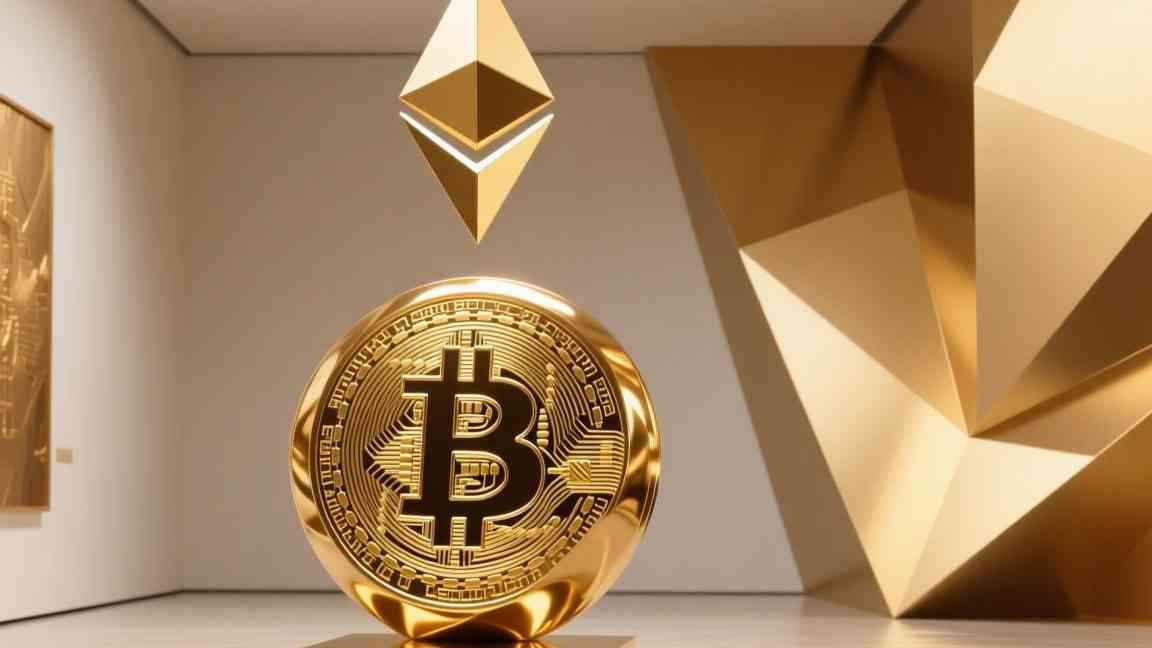
What Is Ethereum? Beyond a Blockchain Platform
To grasp the significance of "ETH," it helps to first understand Ethereum itself. Unlike Bitcoin, which was primarily designed as a decentralized digital currency (a "peer-to-peer electronic cash system," as its white paper describes), Ethereum was conceived in 2013 by programmer Vitalik Buterin as a programmable blockchain. Its core innovation was introducing smart contracts—self-executing contracts with the terms of the agreement directly written into code. These smart contracts enable developers to build decentralized applications (dApps) that run on the Ethereum blockchain, free from central control or censorship.
Today, Ethereum is a global, open-source platform that serves as the backbone for thousands of projects, including decentralized finance (DeFi) protocols, non-fungible tokens (NFTs), decentralized autonomous organizations (DAOs), and stablecoins. Its flexibility and robustness have earned it the nickname the "world computer," as it aims to create a more secure, transparent, and accessible internet for all.
The Meaning and Role of "ETH"
The abbreviation "ETH" represents two interrelated but distinct concepts: the Ethereum blockchain protocol and its native cryptocurrency.
-
ETH as the Cryptocurrency:
At its most basic level, ETH is a digital asset, similar to Bitcoin, used to facilitate transactions and operations on the Ethereum network. It serves as the "fuel" for the network, paying for computational services through a mechanism called "gas." When users interact with dApps, execute smart contracts, or transfer tokens, they must pay a gas fee in ETH to compensate validators (the network participants who validate and record transactions) for their computational work. This fee structure ensures that the network remains efficient and resistant to spam attacks.Beyond its utility as "gas," ETH has also emerged as a store of value and investment asset. Its price is influenced by factors such as network adoption, technological upgrades, market demand, and macroeconomic trends. As of 2024, ETH is consistently ranked among the top cryptocurrencies by market capitalization, second only to Bitcoin.
-
ETH as the Symbol of the Ethereum Ecosystem:
More broadly, "ETH" symbolizes the entire Ethereum ecosystem. It represents the community of developers, validators, and users working to build a decentralized future. The abbreviation is also tied to Ethereum’s native blockchain, which distinguishes it from other "Ethereum-compatible" or "Ethereum Virtual Machine (EVM)-based" chains (e.g., Polygon, BNB Smart Chain). While these chains may support ETH or ETH-wrapped tokens, "ETH" specifically denotes assets and operations on the original Ethereum mainnet.
Why "ETH"? The Story Behind the Abbreviation
The choice of "ETH" as the abbreviation for Ethereum is both practical and symbolic. The term "Ethereum" itself derives from the concept of the "aether," a hypothetical medium once thought to fill the universe and serve as the carrier of light—a metaphor for a foundational, invisible layer that enables new forms of communication and existence.
The abbreviation "ETH" aligns with this metaphor while being concise and easy to use in global markets. It follows the convention of short, memorable ticker symbols for cryptocurrencies (e.g., BTC for Bitcoin, LTC for Litecoin). For traders, developers, and everyday users, "ETH" is a quick, universal identifier that cuts through language barriers and technical jargon, making it accessible to a diverse audience.
The Evolution of "ETH": From Proof-of-Work to Proof-of-Stake
Understanding "ETH" also requires recognizing its role in Ethereum’s ongoing evolution. In its early years, Ethereum operated on a Proof-of-Work (PoW) consensus mechanism, similar to Bitcoin, where miners competed to solve complex mathematical problems to validate transactions and earn ETH as a reward. However, PoW was energy-intensive and limited the network’s scalability.
In September 2022, Ethereum underwent a major upgrade called "The Merge," transitioning to a Proof-of-Stake (PoS) mechanism. Under PoS, validators (instead of miners) are chosen to create new blocks based on the amount of ETH they "stake" (lock up as collateral) and follow the network rules. This shift dramatically reduced Ethereum’s energy consumption by over 99% and laid the groundwork for future scalability upgrades, such as sharding (which will split the network into smaller "chains" to increase transaction throughput).
"The Merge" reinforced "ETH" as a forward-looking symbol, representing Ethereum’s commitment to sustainability, efficiency, and long-term viability. It also introduced new concepts like "staking," where users can lock up their ETH to help secure the network and earn rewards, further integrating ETH into the ecosystem’s economic model.
"ETH" in Practice: Use Cases Beyond Trading
While ETH is widely traded on cryptocurrency exchanges, its utility extends far beyond speculation. Key use cases include:
- Decentralized Finance (DeFi): ETH is the most common collateral in DeFi protocols, where users can lend, borrow, and earn interest on their assets without intermediaries like banks.
- NFTs and Digital Art: Many NFT platforms (e.g., OpenSea) are built on Ethereum, and ETH is used to purchase and trade these unique digital assets.
- Gaming and the Metaverse: Play-to-earn games and virtual worlds often use ETH as an in-game currency or reward, enabling players to earn real value from their participation.
- Enterprise and Enterprise Solutions: Companies are exploring Ethereum’s blockchain for supply chain tracking, digital identity, and secure data sharing, with ETH facilitating transactions on these networks.
The Future of "ETH": Scalability, Sustainability, and Mainstream Adoption
As Ethereum continues to evolve, "ETH" will remain at the center of its identity. Future upgrades, such as Ethereum Improvement Proposals (EIPs) and the rollout of sharding, aim to make the network faster, cheaper, and more accessible to billions of users. Additionally, the growing integration of Ethereum with traditional finance (e.g., spot ETH ETFs approved by the U.S. SEC in 2024) could bridge the gap between crypto and mainstream markets, further solidifying ETH’s role as a digital asset of global significance.
Conclusion
"ETH" is more than just an abbreviation—it is the lifeblood of the Ethereum blockchain, a symbol of innovation, and a gateway to the decentralized future. From powering smart contracts and dApps to enabling sustainable transactions and fostering a global community, ETH embodies the transformative potential of blockchain technology. As Ethereum continues to push the boundaries of what’s possible, "ETH" will remain a shorthand for progress, empowering individuals and institutions alike to participate in a more open, equitable, and decentralized digital world. Whether you’re a developer, trader, or curious observer, understanding "ETH" is key to unlocking the future of Web3.